Wildlife Conservation and Animal Welfare, UK & Sri Lanka
From the forests to the streets, we protect, rescue and care for Sri Lanka and the UK’s precious wildlife and animals in need.
From the forests to the streets, we protect, rescue and care for Sri Lanka and the UK’s precious wildlife and animals in need.
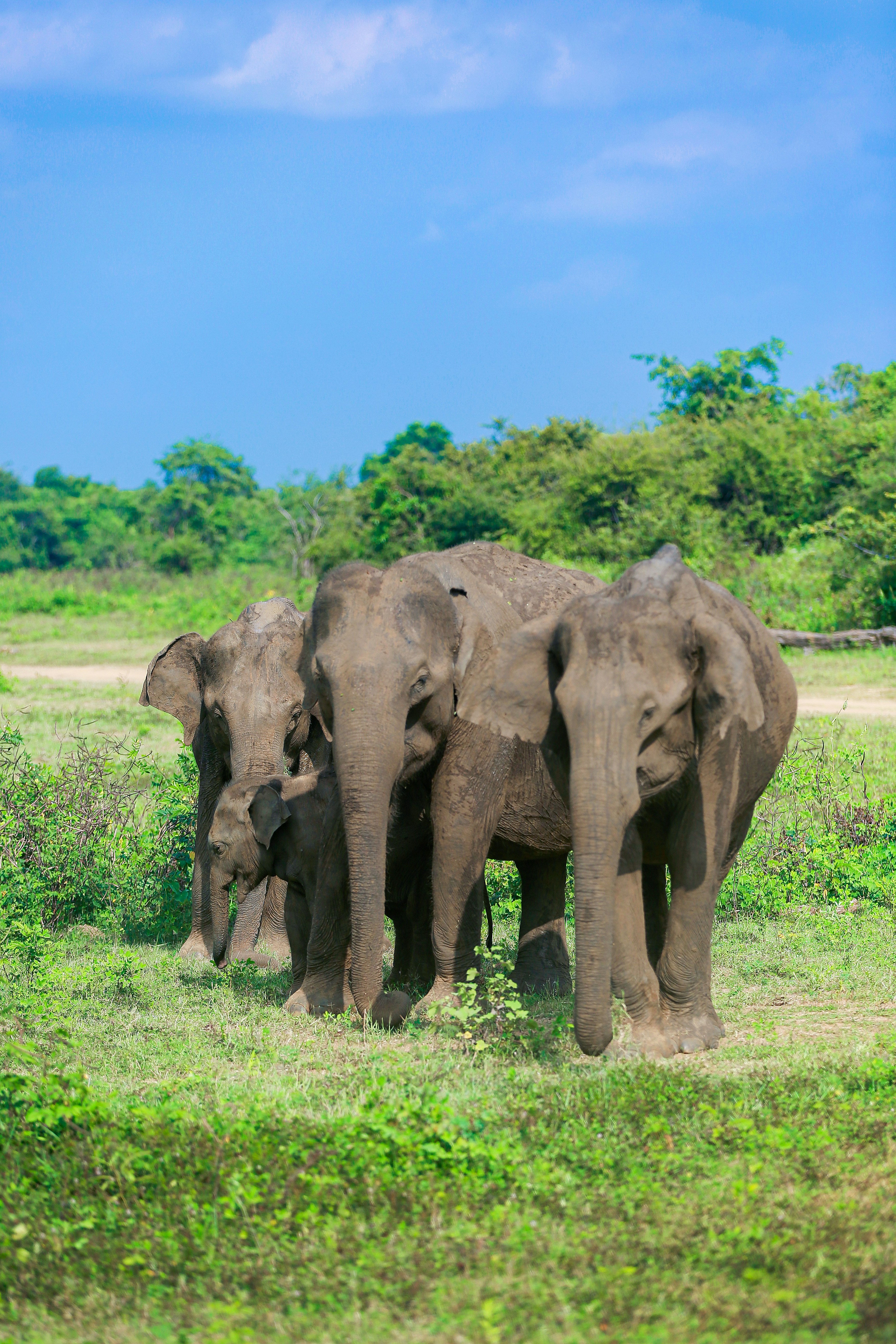
Sri Lanka’s rich wildlife – from majestic elephants and elusive leopards to countless rare birds and plants – depends on healthy forests and safe habitats to survive. But many of these wild spaces, and the animals that call them home, are under threat from deforestation, human conflict, and shrinking resources.
At the same time, countless animals on Sri Lanka’s streets, especially dogs, are left hungry, sick, or abandoned, with no one to care for them.
We support trusted conservation organisations and national parks to protect endangered species and fragile ecosystems, while also rescuing street animals, providing food, medicine and shelter, and working with local communities to build a kinder, more compassionate future:
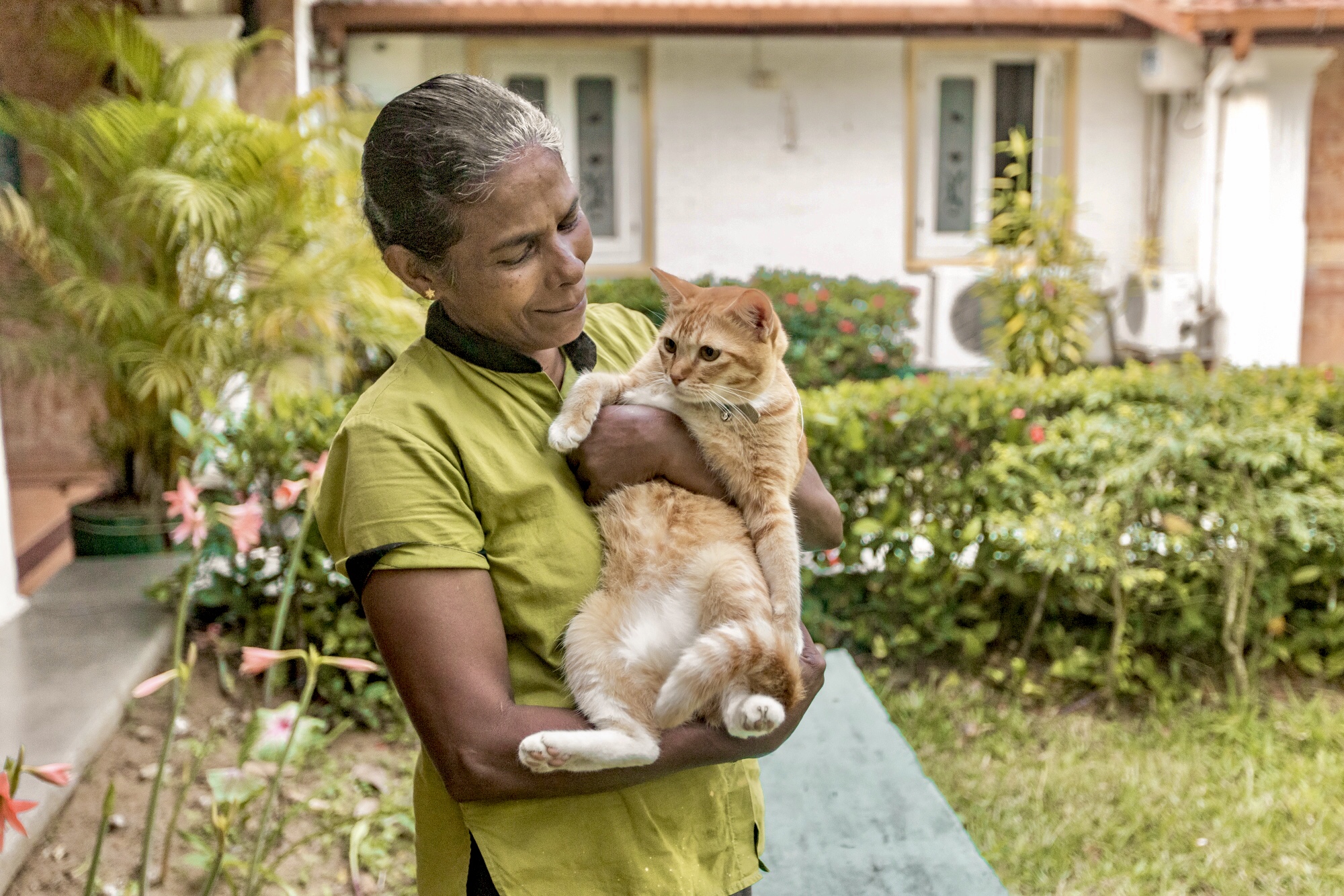
2025 – Took in a local stray kitten to join the Plantation Villa family
2022 – Donation to local Hereford wildlife charity who rescue and rehabilitate injured or sick animals
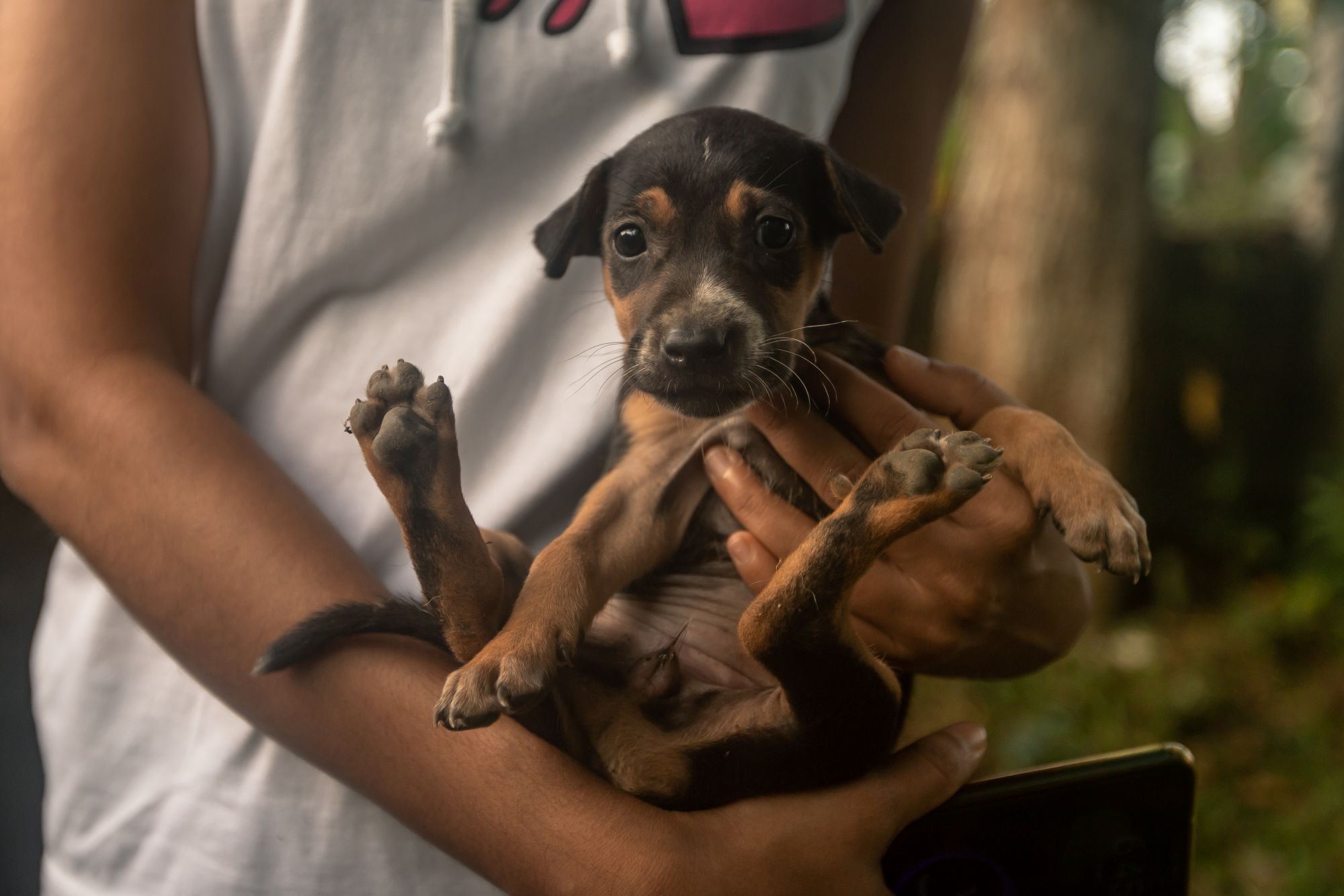
2019 – Rehomed stray puppies and adopted two who still live at Sri Lanka Plantation Villa today
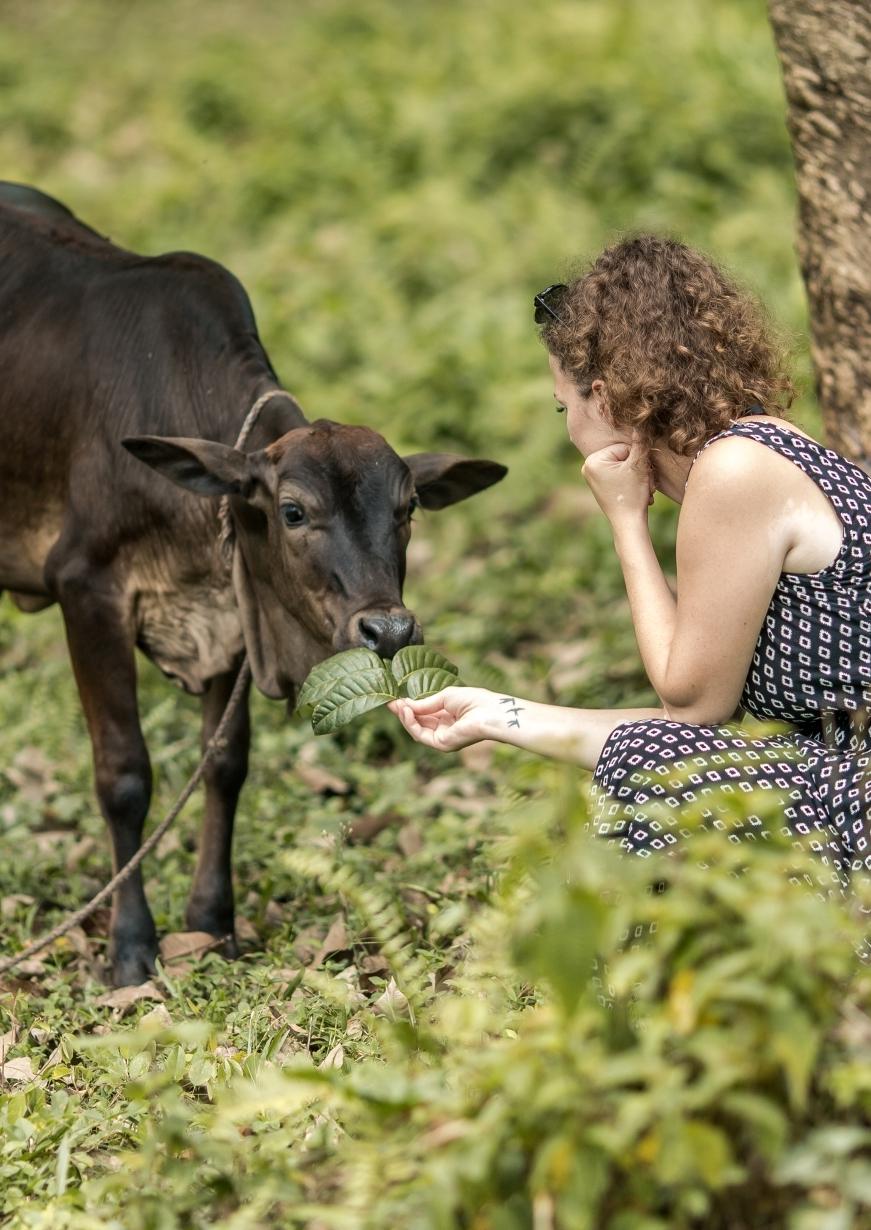
2019 – Purchased 3 cows and 5 goats from slaughterhouses, rehabilitated the animals and found them new homes locally
2016 – Donation to Wildlife Centre for Ecological Studies, Sri Lanka
2015 – Funded the broadcasting of the documentary ‘Gods in Shackles’ to raise awareness of the suffering of captive elephants and funded rehabilitation cages for Elephant Transit Home, Udawalawe National Park
We aim to grow our support for brilliant charities doing essential work to conserve wildlife both in Sri Lanka and the UK. We will always remain dedicated to showing kindness and care to stray animals to give them a chance at a better life.